Leaders Are Readers of Fiction (Yes, Really.)
What dragons, dystopias, and epic fantasy can teach us about executive leadership
Have you ever heard someone say that reading fiction is just “chewing gum for the mind”?
A wise executive friend of mine says that regularly. He insists fiction might be fun, but not necessarily useful.
It got me curious.
Could something as seemingly impractical as a fantasy novel — worlds filled with dragons, galactic politics, rebellion, or magic — actually make us better leaders in the real world?
The research says yes.
And not in a fluffy, inspirational way. In a neurological, science-backed, leadership-development kind of way.
Let’s dig in.
The Science: Fiction Is a Gym for Social Intelligence
Psychologists and neuroscientists have found that reading narrative fiction activates the parts of our brain responsible for understanding other people’s thoughts and emotions. Researchers call this Theory of Mind.
When you read about a character’s internal struggles, motivations, fears, and decisions, your brain simulates those experiences as if you were living them.
It’s rehearsal for empathy.
Harvard researchers have described fiction as a kind of mental gym for exercising social cognition. Readers of literary fiction consistently score higher on measures of empathy, perspective-taking, and emotional intelligence.
And that matters deeply in leadership.
Because the most complex challenges executives face are rarely technical. They’re human:
• Navigating conflict
• Inspiring teams
• Managing ambiguity
• Reading the room
• Making difficult moral decisions
• Leading under pressure
Data matters. Strategy decks matter. KPIs matter.
But they do not replace emotional depth, social awareness, and nuanced decision-making.
According to both Harvard Business Review and Forbes, serious fiction strengthens emotional intelligence, deepens moral reasoning, and sharpens our ability to interpret complex social environments.
In other words:
Reading fiction trains the human side of leadership.
And that’s often the side that separates good leaders from exceptional ones.
Why This Hit Home for Me
Last December, my family attended Brandon Sanderson’s Dragonsteel conference. It’s a massive gathering of readers and writers of epic fantasy.
On stage, Sanderson shared a startling statistic: by some measures, only about 10% of Americans regularly read for pleasure.
We binge shows.
We scroll endlessly.
We consume content constantly.
But deep, immersive book reading has declined.
That struck me as a missed opportunity — not just for joy (which fiction absolutely brings), but for growth.
Because immersive fiction demands something different from our brains than passive entertainment does. It slows us down. It stretches us. It forces us to inhabit perspectives unlike our own.
And leaders, perhaps more than anyone, need that muscle developed.
3 Fiction Books Every Leader Should Consider
If you haven’t read fiction in years, here are three powerful entry points.
The Way of Kings by Brandon Sanderson
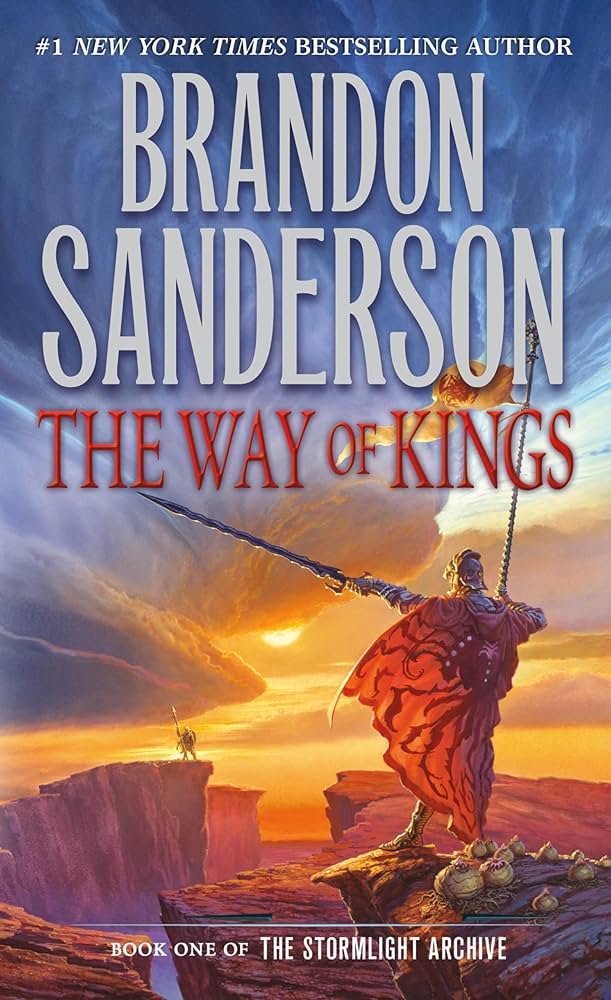
This is the book that pulled me back into fiction.
Yes, it’s epic fantasy. Yes, it’s long.
But beneath the sweeping world-building is a profound exploration of leadership, honor, trust, and moral complexity.
Characters wrestle with:
• What it means to lead under pressure
• Keeping promises when it costs you
• Understanding those who are radically different from you
• Balancing power with integrity
There are even informal mentions within military leadership circles of this series being recommended for its leadership themes.
It’s not escapism.
It’s a masterclass in leading through chaos.
Red Rising by Pierce Brown
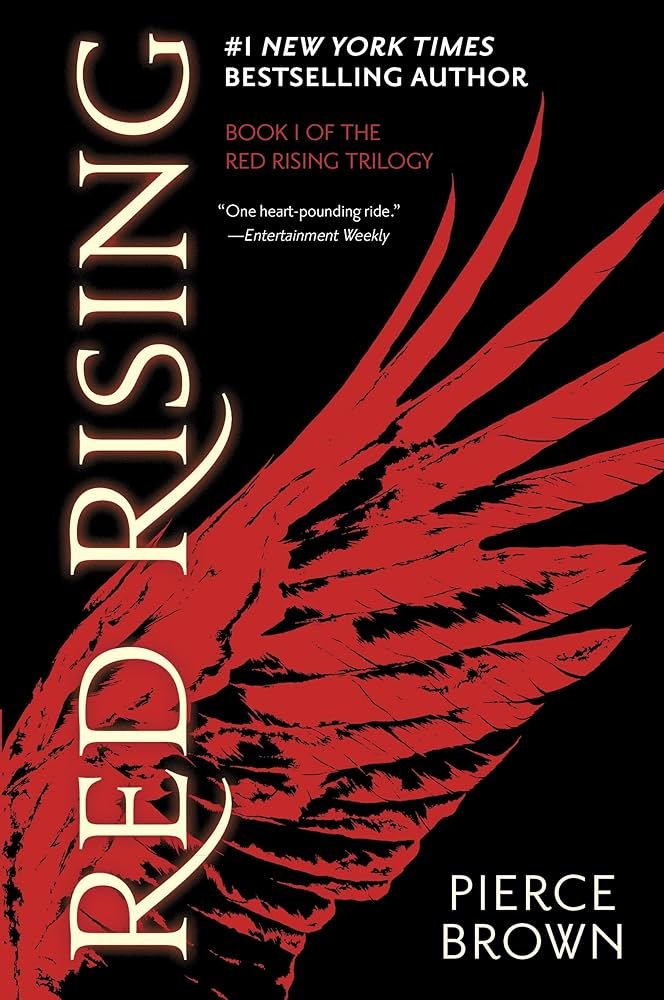
If you care about strategy, power structures, and transformation, this one will grip you.
The protagonist infiltrates an elite ruling class and must navigate hierarchy, alliances, rebellion, and moral tension.
It’s fast-paced and entertaining.
But it’s also a study in:
• Strategic influence
• Motivating allies
• Leading change from within broken systems
• The cost of ambition
Leaders navigating complex organizations will find plenty to wrestle with here.
The Name of the Wind by Patrick Rothfuss
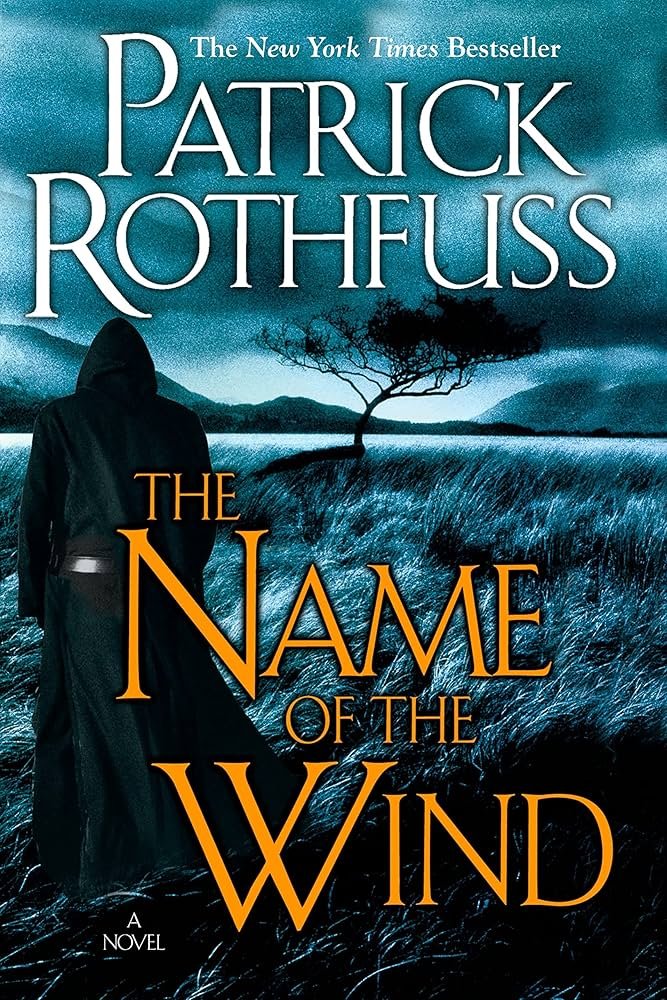
Beautifully written. Reflective. Thoughtful.
This story explores curiosity, resilience, self-education, and identity.
It reminds us that leaders are shaped as much by how they learn and adapt as by what they achieve.
And if you’re an audiobook person, this one is widely praised in that format as well.
Leadership Development Isn’t Only Tactical
At Bolton Co., we work with executives and emerging leaders across the Pikes Peak Region and beyond.
We focus on:
• Clarity
• Emotional intelligence
• Decision-making
• Strategic growth
• Sustainable leadership
Here’s what I’ve learned over decades of executive leadership and coaching:
The leaders who grow the most are the ones who expand their perspective.
And fiction does exactly that.
It trains your empathy.
It deepens your moral reasoning.
It stretches your imagination.
It increases your tolerance for complexity.
And complexity is the currency of modern leadership.
A Simple Invitation
Instead of reaching for your phone at the end of the day…
Instead of scrolling for 30 minutes…
Pick up a story.
Sit with characters.
Wrestle with their decisions.
Feel what they feel.
Think through what they’re navigating.
It’s not just entertainment.
It’s leadership training.